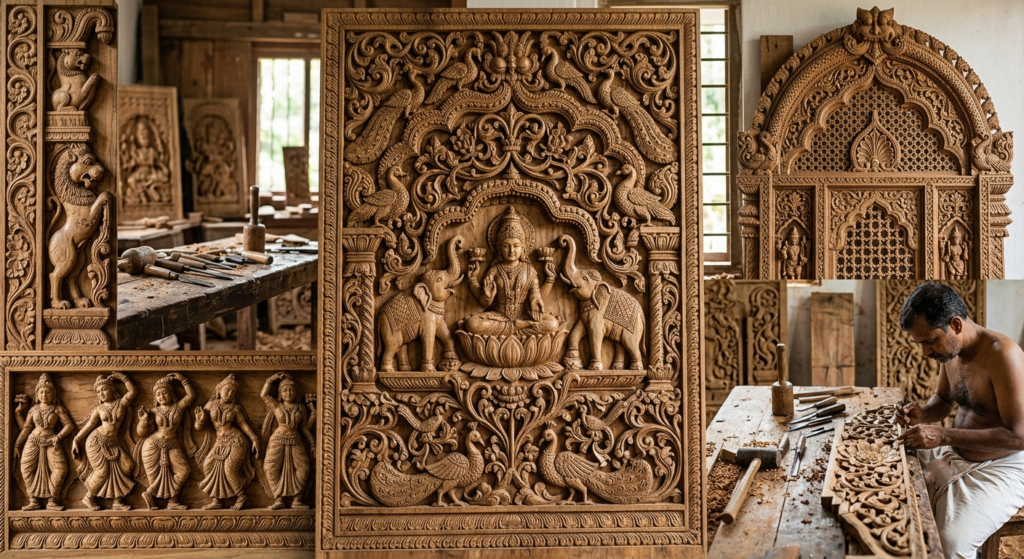
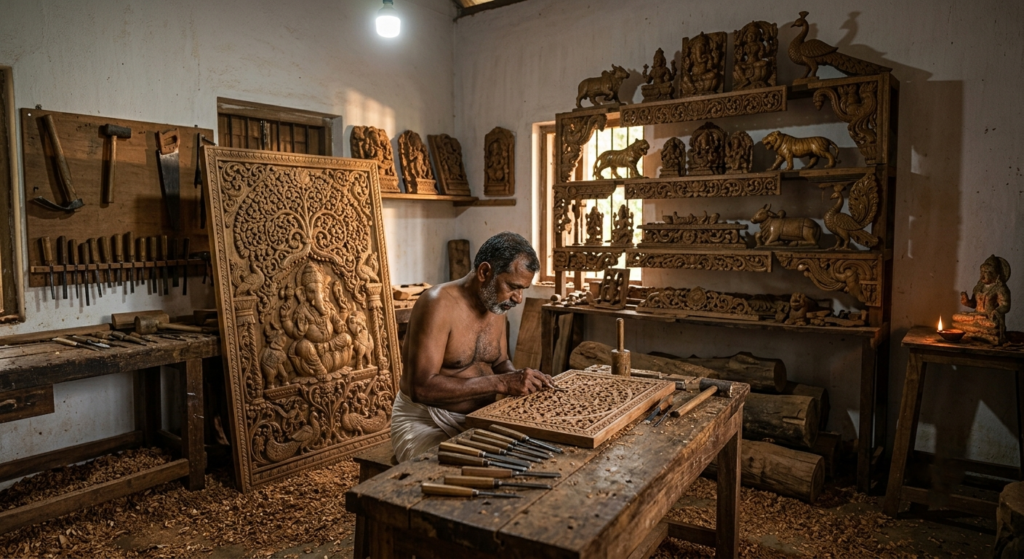
Traditional Indian wooden carving designs have been admired for centuries because of their beauty, craftsmanship, and cultural significance. Skilled artisans transform ordinary pieces of wood into stunning works of art that decorate homes, temples, palaces, and furniture. From intricate floral patterns to detailed religious motifs, Indian wood carving reflects the country’s rich heritage and artistic traditions.
Today, traditional wooden carvings are becoming increasingly popular in modern homes. Homeowners, interior designers, and art collectors appreciate the timeless elegance and durability of handcrafted wooden pieces. Whether used as wall decorations, furniture accents, doors, or decorative panels, these artistic creations add warmth and sophistication to any space.
In this guide, we will explore the history, styles, materials, benefits, and maintenance of traditional Indian wooden carving designs.
The Rich History of Indian Wooden Carving
The history of Indian wood carving dates back thousands of years. Ancient temples, royal palaces, and traditional homes throughout India feature beautifully carved wooden pillars, doors, windows, and furniture.
Indian artisans developed unique carving techniques that were passed down from one generation to another. Over time, different regions created their own distinctive styles, influenced by local culture, religion, and available materials.
Wood carving became an essential part of Indian architecture because it combined beauty, symbolism, and functionality. Many carvings depicted flowers, animals, deities, and geometric patterns, each carrying a special meaning.
Today, these traditional methods continue to inspire modern wooden handicrafts and home décor products.
Why Traditional Indian Wooden Carving Designs Are Special
Traditional Indian wooden carvings stand apart because every piece is handmade with exceptional attention to detail. Unlike mass-produced products, handcrafted items carry the unique touch of the artisan.
Some of the qualities that make Indian wooden carvings special include:
- Fine craftsmanship
- Durable natural materials
- Unique and detailed patterns
- Cultural and historical value
- Timeless beauty
- Environmentally friendly production methods
Every carved piece tells a story while preserving centuries-old artistic traditions.
Popular Types of Traditional Indian Wooden Carving Designs
Floral Carving Designs
Floral carvings are among the most popular designs found in Indian wooden art. Skilled artisans carefully carve flowers, leaves, vines, and branches into wooden surfaces to create elegant decorative patterns.
These carvings are commonly used in:
- Wall panels
- Decorative frames
- Wooden doors
- Cabinets
- Headboards
Floral designs complement both traditional and modern interiors.
Geometric Pattern Designs
Geometric patterns create a balance between simplicity and sophistication. Artisans use symmetrical shapes and repeating patterns to produce visually appealing designs.
These patterns are often seen in:
- Room dividers
- Decorative screens
- Wall art
- Furniture
Geometric carvings bring an artistic and contemporary appearance to any room.
Religious and Spiritual Carvings
India’s spiritual heritage is reflected in many traditional carving designs. Temples and prayer rooms often feature detailed carvings inspired by mythology and sacred symbols.
Common themes include:
- Lotus flowers
- Bells
- Sacred symbols
- Mandalas
- Temple patterns
These designs create a peaceful and spiritual atmosphere.
Animal-Inspired Carvings
Indian artisans have long used nature as a source of inspiration. Animal figures symbolize strength, wisdom, courage, and prosperity.
Popular animal carvings include:
- Elephants
- Peacocks
- Lions
- Horses
These motifs are widely used in traditional Indian décor.
Different Styles of Indian Wood Carving
Saharanpur Wood Carving
Saharanpur is internationally recognized for its exquisite woodwork. The city is famous for detailed floral patterns, elegant furniture, and beautifully carved decorative items.
Artisans in Saharanpur primarily work with sheesham wood because of its durability and rich texture.
Rajasthan Wood Carving
Rajasthan is known for its magnificent palaces and temples decorated with intricate wooden carvings. Rajasthani artisans create bold and elegant patterns inspired by royal architecture.
Traditional furniture, doors, and wall panels often display this distinctive style.
Kashmir Walnut Wood Carving
Kashmir is famous for its walnut wood carvings. Craftsmen create extraordinary patterns featuring flowers, leaves, and birds.
The natural beauty of walnut wood adds depth and sophistication to every piece.
Gujarat Wood Carving
Gujarati wood carving reflects the state’s vibrant culture and artistic heritage. Intricately carved doors, windows, and decorative panels showcase the remarkable talent of local artisans.
Types of Wood Used in Traditional Indian Carvings
Teak Wood
Teak wood is one of the most valuable materials used in traditional carving. It is highly durable, resistant to moisture, and known for its beautiful texture.
Sheesham Wood
Sheesham wood, also known as Indian rosewood, is widely used because of its strength and attractive grain patterns.
Mango Wood
Mango wood is lightweight, durable, and environmentally friendly. It is commonly used to create decorative items and furniture.
Walnut Wood
Walnut wood is highly prized for its smooth surface and rich appearance. It is often used in luxury carvings.
Traditional Indian Wooden Carvings in Modern Homes
Modern homeowners appreciate the ability of handcrafted wooden décor to create a warm and inviting atmosphere.
Popular applications include:
- Wooden wall panels
- Decorative mirrors
- Carved furniture
- Room dividers
- Headboards
- Temple doors
- Dining tables
- Coffee tables
The combination of traditional craftsmanship and modern design creates a unique visual appeal.
Benefits of Handmade Wooden Carvings
Long-Lasting Durability
High-quality wood can last for decades when properly maintained.
Unique Artistic Value
Every handmade carving is different, making it a truly exclusive piece of art.
Sustainable and Eco-Friendly
Many artisans use responsibly sourced wood and environmentally friendly production techniques.
Timeless Beauty
Traditional Indian designs never go out of style and continue to enhance interior spaces for generations.
How to Maintain Traditional Wooden Carvings
Proper care ensures that wooden carvings maintain their beauty and durability.
Follow these simple tips:
- Dust the surface regularly.
- Keep the carving away from direct sunlight.
- Avoid excessive moisture.
- Use soft cloths for cleaning.
- Apply protective wood polish when necessary.
- Protect the surface from scratches.
Proper maintenance will preserve the natural beauty of the wood for many years.
Frequently Asked Questions
Which wood is best for Indian wood carving?
Teak wood, sheesham wood, walnut wood, and mango wood are among the most popular choices.
Are traditional Indian wooden carvings handmade?
Yes, most traditional carvings are handcrafted by skilled artisans using specialized tools and techniques.
Can wooden carvings be used in modern homes?
Absolutely. Traditional designs blend beautifully with contemporary interior styles.
Why are Indian wooden carvings popular worldwide?
People admire their exceptional craftsmanship, cultural significance, durability, and timeless elegance.
Conclusion
Traditional Indian wooden carving designs represent the perfect combination of creativity, history, and craftsmanship. These handcrafted masterpieces preserve India’s artistic heritage while adding character and sophistication to modern homes.
Whether you choose a beautifully carved wall panel, an elegant piece of furniture, or a decorative wooden sculpture, these timeless creations bring warmth, beauty, and cultural richness into every space. Investing in handmade wooden art is not only a celebration of tradition but also a way to support the skilled artisans who continue to keep this remarkable craft alive.